Economists Warn Trump’s $100,000 H-1B Fee Could Undermine U.S. Growth, While India Voices Strong Criticism
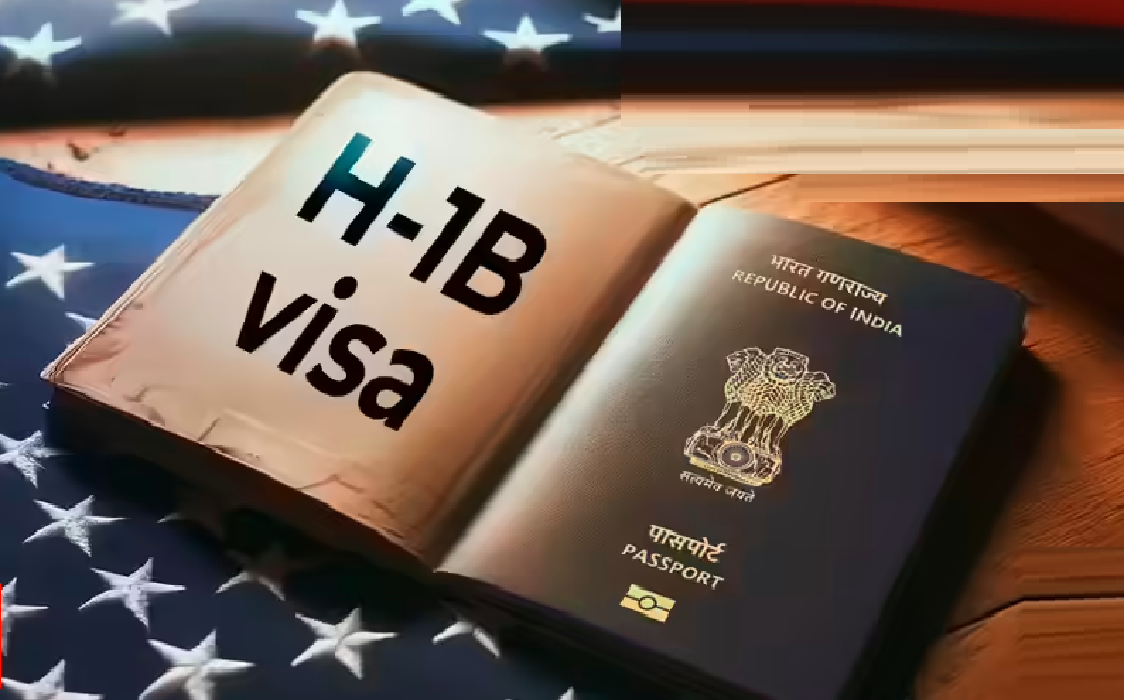
A newly announced U.S. policy imposing a $100,000 application fee for new H-1B visas has sparked widespread concern among economists, industry leaders, and governments who fear it could harm economic growth and strain international talent flows.

The fee, signed into effect by President Donald Trump, is intended to push U.S. companies towards hiring domestic workers and reduce reliance on skilled foreign labor. While major technology firms are likely to absorb the additional cost, smaller firms in sectors like healthcare, education, and research see it as a potential barrier. Economists warn that this move may reduce productivity by deterring international talent—including students and highly trained professionals—from staying in the U.S.
An investment bank forecast has already revised U.S. growth expectations downwards, with economists citing the fee increase among several factors eroding confidence among businesses. They say that beyond tightening costs, there is a risk of losing critical skills and innovation to other countries.
India, which last year accounted for over 70% of H-1B visa approvals, reacted sharply. Indian officials described the fee change as having “humanitarian consequences” and accused the policy of being an expression of fear of Indian talent. Calls have come for urgent diplomatic engagement to address the fallout on families, student-workers, and professionals who rely on H-1B sponsorship.
The stock markets noted the shift, with shares of several Indian IT companies falling in response to the news. Industry associations have urged clarity, especially on who exactly will be impacted and when the fee will apply.
The U.S. administration has clarified that the new rate covers only new applications and does not affect existing visa holders or renewals. However, even a one-time application fee of $100,000 represents a sharp jump over prior costs and is expected to reshape hiring strategies, especially among firms that regularly rely on visa sponsorship to fill roles in engineering, technology, and specialized services.
Experts believe that while the policy may fulfill political aims to protect domestic employment, it could also risk longer-term negative consequences: slowing talent inflow, prompting more global offshoring, and weakening U.S. competitive advantage in high-tech sectors. Meanwhile, India and other impacted countries are calling for diplomatic intervention, clearer guidelines, and assurances that the talent ecosystem remains open for global cooperation and exchange.